

Medication Reaction Emergency Checker
This tool helps you determine if your medication reaction symptoms require immediate 911 emergency response or can wait for a doctor visit. Based on guidelines from the American College of Allergy, Asthma, and Immunology.
Select symptoms you're experiencing:
It’s 2 a.m. You took your antibiotic an hour ago, and now your face is swelling. Your throat feels tight. You’re dizzy. Your stomach is cramping. You’re not sure if this is just a bad reaction-or if you’re about to stop breathing. What do you do?
Most people don’t know the difference between a normal side effect and a life-threatening reaction. And that’s dangerous. Every year in the U.S., medication reactions send over 700,000 people to the emergency room. Many of those cases could’ve been avoided if people knew when to call 911-and when to wait until morning to call their doctor.
Not All Reactions Are the Same
Medications can cause a wide range of reactions. Some are annoying. Others are deadly. The key is knowing which is which.
Side effects like nausea, drowsiness, or a mild rash are common. They don’t mean your body is having an allergic reaction. They’re just the drug doing things it wasn’t designed to do. For example, antibiotics often cause stomach upset. Painkillers can make you dizzy. That’s not an emergency. That’s just how your body reacts to the chemistry.
But when your immune system starts fighting the drug like it’s a virus? That’s a drug allergy. And those can turn deadly in minutes.
Call 911 If You Have These Symptoms
If you’re taking a new medication and you suddenly feel like something’s very wrong, look for these signs:
- Swelling of your tongue, lips, or throat
- Wheezing or trouble breathing
- A high-pitched, squeaky sound when you breathe (called stridor)
- Weak, fast heartbeat
- Dizziness, fainting, or feeling like you’re going to pass out
- Vomiting or diarrhea along with hives or a spreading rash
- Loss of consciousness
These aren’t just side effects. These are signs of anaphylaxis-a full-body allergic reaction that shuts down your airway and drops your blood pressure. It can kill in under 10 minutes if you don’t act.
Don’t wait to see if it gets worse. Don’t text your doctor. Don’t Google it. Call 911 right now.
Why Waiting Is Dangerous
People often delay calling for help because they think, “It’s not that bad yet.” Or, “Maybe it’ll go away.” But anaphylaxis doesn’t work that way.
Symptoms can go from mild to life-threatening in minutes. A study from CPR Seattle found that people who waited even 15 minutes after noticing swelling or trouble breathing were much more likely to need intubation-or worse.
And here’s something most people don’t know: even if you use an epinephrine auto-injector (like an EpiPen), you still need to call 911. One shot might help-but it doesn’t fix everything. You can have a second wave of symptoms hours later. That’s called a biphasic reaction. Emergency crews know how to monitor you. Your doctor’s office doesn’t.
Also, if you’re over 65 or have heart disease, you might be scared to use epinephrine because it raises your heart rate. But the risk of not using it is far greater. The American College of Allergy, Asthma, and Immunology says: “When in doubt, use it.”
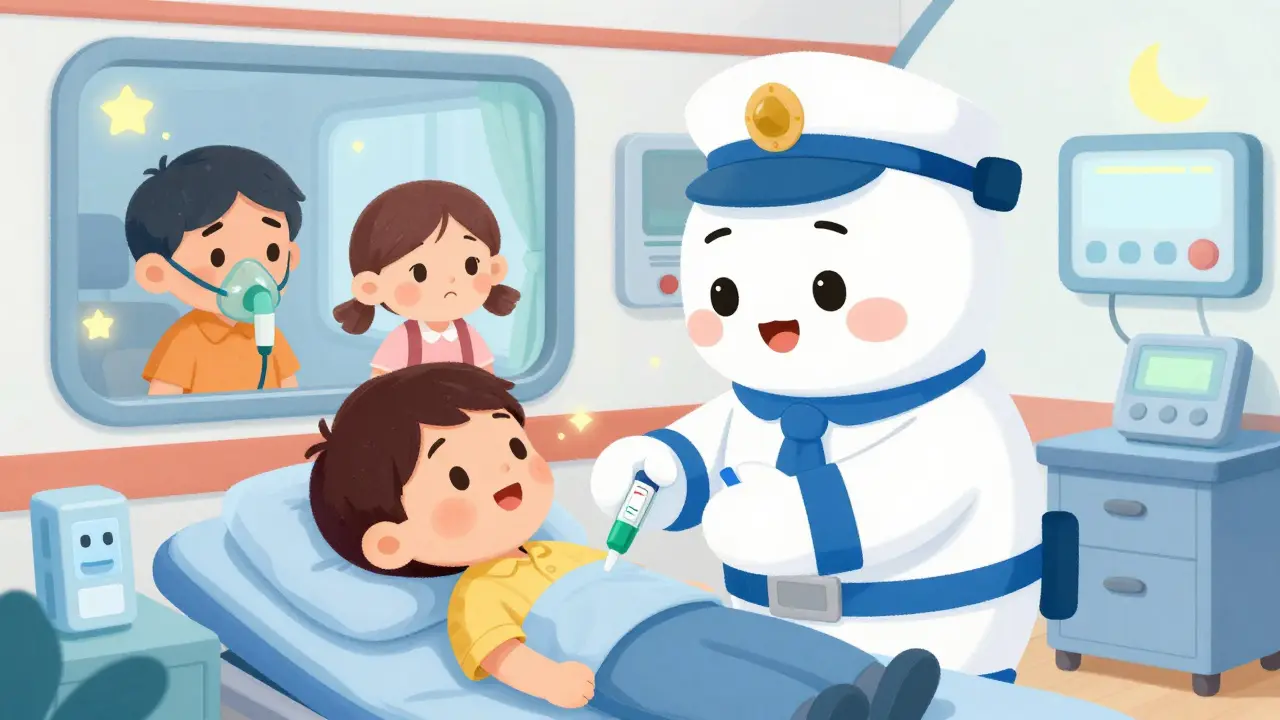
When It’s Okay to Call Your Doctor
Not every weird feeling after a pill means you need an ambulance.
If you have:
- A simple rash without swelling or breathing trouble
- Itching that’s localized (like just on your arms or legs)
- Mild nausea or headache without other symptoms
- A rash that shows up days after taking the medicine
Then you can probably wait until morning to call your doctor or visit urgent care.
But here’s the catch: if you’ve had a reaction before-even a mild one-you should tell your doctor before taking the same drug again. Some people get worse reactions each time.
And if you’re not sure? Call your doctor anyway. Better to be safe than sorry.
What to Do Right Now
Here’s what you should do today, whether you’ve had a reaction or not:
- Check your medicine cabinet. Do you have an epinephrine auto-injector? If you’ve been told you’re allergic to a drug, you should. If you don’t have one and you’re at risk, ask your doctor.
- Make sure your family or roommates know where it is and how to use it. Most people don’t know how to give an injection.
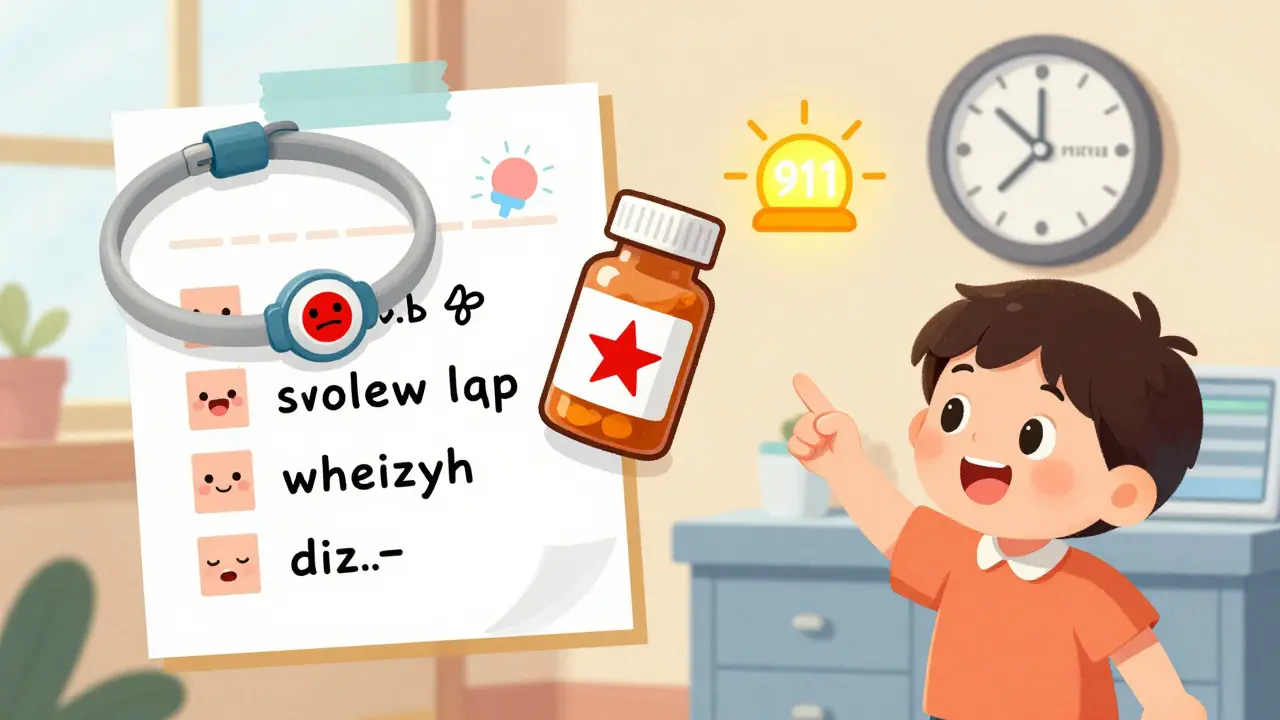
- Keep a list of all your medications and any reactions you’ve had. Write down the drug name, the reaction, and when it happened.
- Wear a medical alert bracelet if you have a known drug allergy. It can save your life if you’re unconscious.
Common Myths About Medication Reactions
There’s a lot of misinformation out there. Let’s clear it up.
Myth: “I took penicillin before and was fine, so I’m not allergic.”
Truth: You can develop an allergy at any time-even after taking a drug 10 times before. Your immune system changes.
Myth: “I just have a rash. It’s not serious.”
Truth: A rash alone might be harmless. But if it’s spreading fast, or if you feel sick at the same time, it could be the start of something worse.
Myth: “I’ll just drive myself to the hospital.”
Truth: If you’re having trouble breathing or your blood pressure is dropping, you could pass out behind the wheel. Emergency responders have oxygen, IV fluids, and epinephrine. They can treat you on the way.
What Happens When You Call 911
When you call, they’ll ask you what’s happening. Be specific: “I took amoxicillin and now my throat is closing. I’m wheezing.”
They’ll send an ambulance. Paramedics will check your vitals, give you oxygen, and likely give you epinephrine right away. They’ll also ask if you’ve used your auto-injector. If you have, tell them. They’ll want to know the dose and time.
You’ll be taken to the ER. Even if you feel better, you’ll be monitored for at least 4-6 hours. That’s because of the delayed reaction risk.
Afterward, you’ll probably be referred to an allergist to confirm what caused it-and to get a plan so it doesn’t happen again.
Bottom Line: When in Doubt, Call 911
Medication reactions are unpredictable. Some people get a rash and are fine. Others go into shock with no warning.
The safest rule? If you have more than one symptom-like a rash plus vomiting, or itching plus dizziness-call 911. If you have trouble breathing or swelling in your face or throat, call 911. If you feel like you might pass out, call 911.
It’s better to be wrong and safe than to wait and regret it.
And if you’ve never had a reaction before? That doesn’t mean you’re immune. Pay attention. Know the signs. Be ready.
Can a medication reaction happen days after taking the drug?
Yes. While serious reactions like anaphylaxis usually happen within an hour, some drug allergies cause delayed reactions. Symptoms like a spreading rash, fever, or joint pain can show up days or even weeks later. Conditions like DRESS syndrome or serum sickness fall into this category. If you develop new symptoms after taking a medication-even days after-you should still contact your doctor.
Is it safe to use epinephrine if I have heart problems?
Yes. Even if you have heart disease or are elderly, using epinephrine during anaphylaxis is safer than not using it. The risk of dying from an allergic reaction is far greater than the risk of a temporary spike in heart rate. The American College of Allergy, Asthma, and Immunology advises using epinephrine in all cases of suspected anaphylaxis, regardless of pre-existing conditions.
Can I just take an antihistamine like Benadryl instead of calling 911?
No. Antihistamines like Benadryl can help with mild itching or hives, but they do nothing to stop airway swelling or low blood pressure-the real dangers of anaphylaxis. Epinephrine is the only treatment that can reverse those life-threatening symptoms. Relying on antihistamines alone can delay proper care and increase the risk of death.
How do I know if my rash is from a drug or something else?
A drug rash usually appears within days of starting a new medication. It may be flat, red, and spread across your body. It often itches but doesn’t always. If you started a new drug and got a rash, assume it’s related until proven otherwise. Keep track of what you took and when the rash appeared. Your doctor may need to rule out infections or other causes, but always mention your medication use first.
What should I do if I’m not sure whether to call 911?
Call 911. Emergency dispatchers are trained to ask the right questions and guide you through what’s happening. If you’re unsure, it’s because the reaction is serious enough to warrant caution. Paramedics would rather respond to a false alarm than arrive too late. Don’t second-guess yourself-your life is worth the call.
bro i took amoxicillin last week and got a lil rash, i just shrugged it off n kept goin. now im scared i coulda died lmao. why tf do they make us guess this shit? shoulda come with a damn flowchart.
The distinction between common side effects and anaphylaxis is clinically significant and should be communicated with precision. Misinterpretation of symptoms leads to both under-triage and over-triage, straining emergency systems. The article correctly identifies key diagnostic indicators, though the tone risks sensationalism.
I live in India and my aunt almost died because she took an antibiotic and waited till morning. She called her doctor at 8 a.m. and by 10 a.m. she was in the ICU. No one here knows the difference between a rash and anaphylaxis. Everyone thinks ‘it’s just allergy, take cetirizine’. This needs to be on every pharmacy poster, every WhatsApp group, every school. Stop waiting. Call 911. Or call 108 here. Just call.
This is one of those posts that could literally save someone’s life. I’ve seen too many people downplay symptoms because they think it’s ‘just a side effect.’ The part about biphasic reactions? That’s critical. Even if you feel better after the EpiPen, you still need to go. I’ve told my whole family: if you’re unsure, call the ambulance. It’s not a waste of time-it’s a gift to your future self. Also, if you have an EpiPen, keep it with you like your phone. Not in the glovebox. Not in the kitchen drawer. With you.
so… the government wants us to call 911 for every little rash? next they’ll tell us to call the cops if our coffee is too hot. they’re just trying to scare us into buying epipens. what if i don’t have insurance? what if the ambulance takes 45 mins? what if the paramedic is just a guy who watches too much Grey’s Anatomy? maybe i should just google it again…
Calling 911 is not optional when your throat swells. You’re not being dramatic. You’re being alive.
OMG this is so important!! 😭 I just remembered my cousin did the ‘wait till morning’ thing and ended up in the hospital for 3 days. I’m sending this to my whole family right now. Also-does anyone know where to get a cheap medical alert bracelet? Mine’s from like 2010 and the engraving is fading 😅
Really appreciate this breakdown. I used to think Benadryl was the answer to everything-until my sister had a reaction and we learned the hard way. Now I keep an EpiPen in my purse, my car, and my work bag. Just in case. Also, I taught my 70-year-old mom how to use it. She was scared at first, but now she says she feels safer. Small steps, right?
It is imperative to recognize that delayed hypersensitivity reactions, such as DRESS syndrome, may manifest days or even weeks after exposure to a medication. These conditions require prompt medical evaluation, as they can lead to multi-organ failure. While the focus of this article is appropriately on acute anaphylaxis, it is equally vital to educate the public regarding subacute and chronic drug reactions. Documentation of all adverse events, regardless of perceived severity, is a cornerstone of patient safety.
It’s funny how we treat medicine like it’s magic. You swallow a pill and expect your body to just… cooperate. But your immune system? It’s got a memory. And it doesn’t forget. Every time you take a drug, you’re having a conversation with your biology. Sometimes it says ‘cool, thanks.’ Sometimes it says ‘I’m gonna end you.’ The question isn’t whether you’re allergic-it’s whether you’re listening.
One cannot overstate the gravity of delaying intervention in suspected anaphylaxis. The notion that ‘it might pass’ is not merely negligent-it is a moral failure in the context of public health. The medical profession has a duty to educate, but the public has an equal responsibility to heed. This article is not merely informative; it is a moral imperative.
I work in ER and see this every week. Someone comes in with a rash and says, ‘I thought it was just a reaction.’ Then they’re in full shock. I get it-you don’t want to be that person who called for nothing. But here’s the truth: we’d rather have 100 false alarms than miss one real one. If you’re having more than one symptom-itching + nausea, swelling + dizziness-call 911. No hesitation. And if you’re scared to use an EpiPen? Do it anyway. The worst that happens is you feel your heart race for 10 minutes. The worst that happens if you don’t? You don’t get to see your kids tomorrow.