

Imagine being able to fix your hearing aid’s feedback problem while sitting on your couch, without driving an hour to the clinic. That’s not science fiction-it’s teleaudiology, and it’s already helping hundreds of thousands of people in the U.S. and beyond. Since 2020, remote hearing care has gone from a niche option to a mainstream part of audiology. For older adults, people in rural areas, or anyone with mobility issues, it’s removed one of the biggest barriers to consistent hearing care: travel.
What Exactly Is Teleaudiology?
Teleaudiology is the use of video calls, apps, and internet-connected devices to deliver hearing services from a distance. This includes everything from adjusting your hearing aid settings to doing basic hearing tests-all without stepping into a clinic. It’s not just video chats. Modern systems let your audiologist control your hearing aids remotely, run real-time tests using your smartphone’s microphone, and even monitor how you’re doing in your daily environments like the kitchen or the car. The technology isn’t new, but its adoption exploded during the pandemic. By 2023, 63% of U.S. audiology practices offered some form of teleaudiology, up from just 12% in 2019. Major brands like Phonak, ReSound, Oticon, and Starkey built their own apps so patients can connect directly with their providers. These apps aren’t just for adjustments-they let you send voice samples of problematic situations, like struggling to hear in restaurants, so your audiologist can fine-tune your device for real-life noise.How It Works: Synchronous vs. Asynchronous
There are two main ways teleaudiology works: real-time (synchronous) and delayed (asynchronous). Synchronous means you’re on a live video call with your audiologist. They can guide you through tests, hear your feedback, and change your hearing aid settings on the spot. Systems like hear.com’s Clinic-in-a-Box® even let the audiologist trigger specific sounds through your hearing aids during the call to test how you respond. Asynchronous is more like sending an email. You take a hearing test using a mobile app, record your responses to tones or speech, and send the results. Your provider reviews it later and sends back a new program for your device. This works well for routine check-ins but isn’t ideal for new diagnoses. Both methods need a few basic things: a smartphone or computer with a stable internet connection (at least 5 Mbps), Bluetooth-enabled prescription hearing aids, and a quiet room. Surprisingly, 82% of people over 65 can use these systems after one short tutorial. Many older users say the convenience outweighs the learning curve.Accuracy: How Good Are Remote Hearing Tests?
One of the biggest concerns people have is whether remote tests are accurate. The answer? They’re very close-when conditions are right. In controlled home environments, remote pure-tone hearing tests match in-clinic results 92-95% of the time. That’s nearly identical. But noise matters. If you’re testing in a noisy kitchen or near a barking dog, accuracy drops to 78-85%. That’s why audiologists recommend using headphones, turning off TVs, and closing windows during tests. However, teleaudiology can’t replace everything. It can’t check for earwax blockages, examine your eardrum, or detect medical issues like tumors or infections. That’s why 68% of audiologists still recommend at least one in-person visit for new patients. A 2023 study found that 12-15% of patients who started with remote assessments had underlying medical conditions that would’ve been missed without an otoscope exam.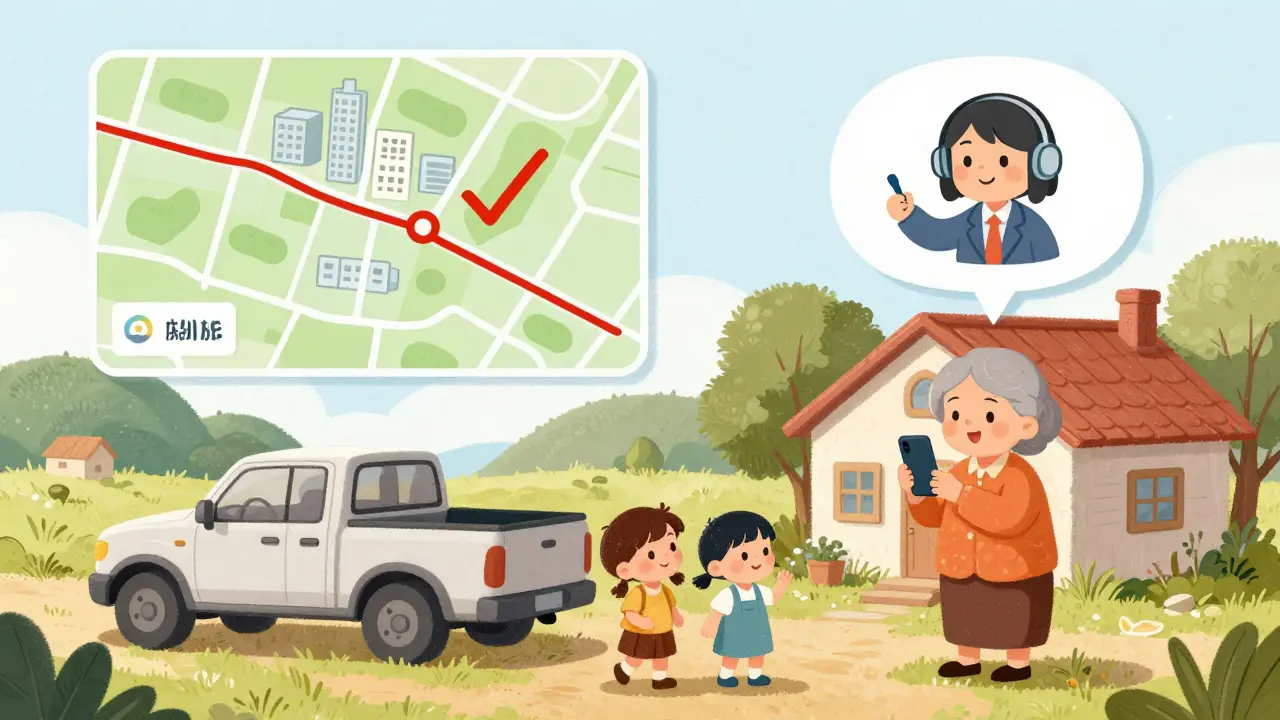
Real Benefits: Time, Money, and Comfort
The biggest win? Time and cost savings. Before teleaudiology, rural patients often drove 50+ miles for a 20-minute adjustment. Now, that trip is zero miles. On average, patients save $87 per appointment in gas, time off work, and parking fees. Travel time drops from 2.3 hours to under 10 minutes. Patient satisfaction is higher too. Remote hearing aid adjustments score 4.6 out of 5 in satisfaction, compared to 4.2 for in-person visits. Why? Because adjustments happen in your actual environment. If your hearing aid buzzes when you’re watching TV, your audiologist can test it while you’re sitting in your favorite chair, not in a soundproof booth. Cost-wise, a typical teleaudiology visit runs $120-$150, while in-person visits average $140-$180. Some manufacturers charge extra for premium features-Phonak’s Remote Support, for example, is $29.99/month. But even with subscriptions, most users still save money over time.Who Benefits the Most?
Teleaudiology isn’t for everyone-but it’s a game-changer for specific groups. Rural residents: In Montana, Wyoming, or Appalachia, clinics are often hours away. Teleaudiology has cut patient no-show rates by over half in some areas. Seniors with mobility issues: People recovering from hip replacements, arthritis, or other conditions can avoid painful, exhausting trips. Busy professionals: Parents, caregivers, and shift workers can schedule appointments during lunch breaks or after work. Veterans: The VA now uses teleaudiology in 41% of its clinics. No-show rates dropped from 22% to 9% after implementation. Even people with OTC (over-the-counter) hearing aids can now access remote support. Signia’s January 2024 update brought tele-audiology features to non-prescription devices, opening the door for 40 million more U.S. consumers.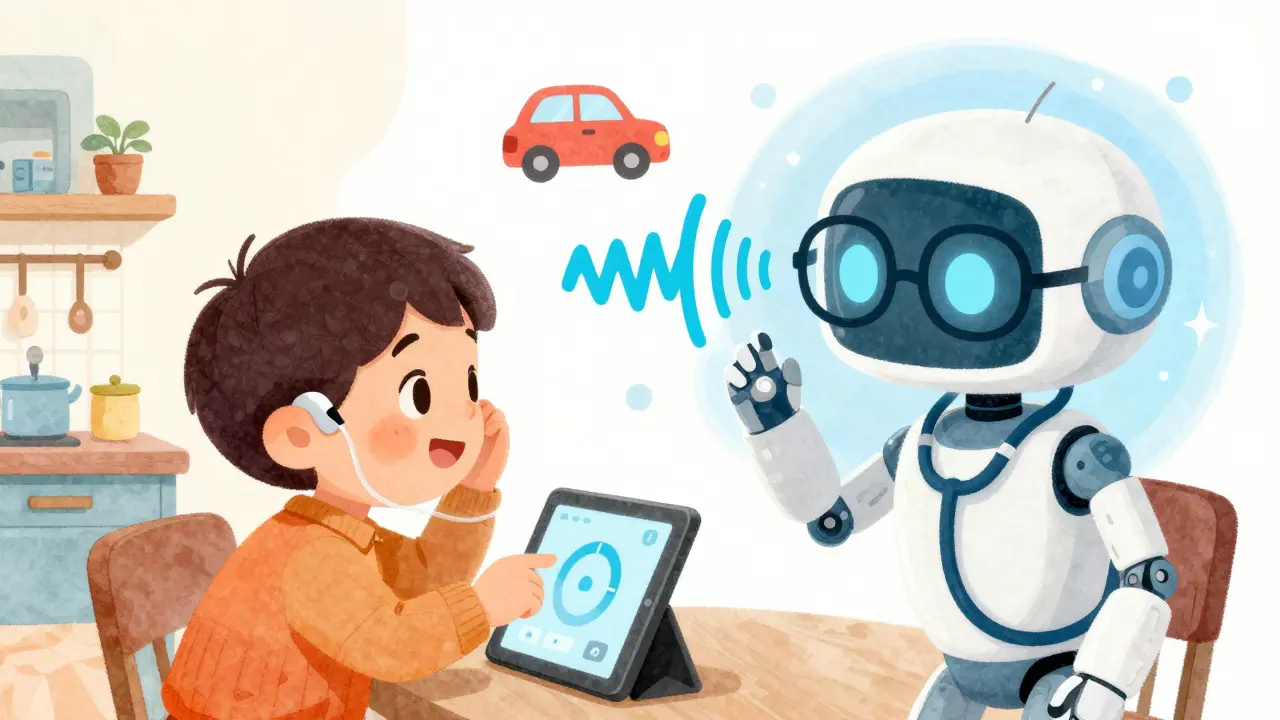
Common Problems and How to Fix Them
It’s not perfect. People run into issues. Bluetooth pairing fails in 33% of first attempts. Solution: Restart your phone and hearing aids, then pair again. Use the manufacturer’s app-not your phone’s Bluetooth menu. Background noise ruins test results. Solution: Close windows, turn off fans or TVs, and use wired headphones if your hearing aids don’t support wireless testing. Internet drops during a call. Solution: Switch from Wi-Fi to cellular data. Most apps work fine on 4G. App is too confusing. Solution: Ask your provider for a 30-minute walkthrough. 76% of users only need one session to get comfortable. If your hearing aid still buzzes or whistles after three remote tries, you might have earwax buildup. That’s when you need to see someone in person.What’s Next? AI, Regulations, and the Future
The field is moving fast. Widex’s 2023 update lets hearing aids auto-adjust based on your environment-no human input needed. AI will handle 30-40% of routine adjustments by 2027, according to Frost & Sullivan. Regulations are catching up. As of 2024, 32 U.S. states have specific telehealth licensure rules for audiologists. But 28 still block cross-state care, which limits access for people who move or use national providers. Medicare still only covers teleaudiology in 18 states. That’s a big gap-especially since 78% of rural users rely on Medicare. The World Health Organization calls teleaudiology essential to solving the global shortage of 200,000 hearing professionals by 2030. It’s not replacing in-person care-it’s making it more accessible, efficient, and personalized.Getting Started
If you have Bluetooth-enabled hearing aids from a major brand, you’re already halfway there. Here’s how to begin:- Download your manufacturer’s app: myPhonak, ReSound Smart, Oticon More, or Starkey Livio.
- Create a secure patient portal account (your audiologist will send you an invite).
- Set up your hearing aids via Bluetooth.
- Schedule your first virtual appointment.
- Find a quiet room, plug in headphones if needed, and test your internet.
Can teleaudiology replace in-person audiology visits entirely?
No, not entirely. Teleaudiology is excellent for follow-ups, adjustments, and basic hearing tests-but it can’t replace physical exams. Audiologists can’t check for earwax, ear infections, or structural issues remotely. Most experts recommend at least one in-person visit per year, especially for new patients or those with complex hearing loss.
Do I need special equipment for teleaudiology?
You need a smartphone or computer with a stable internet connection (5 Mbps or higher), Bluetooth-enabled prescription hearing aids, and a quiet space. Most modern hearing aids from major brands support remote adjustments. You don’t need extra hardware unless your provider uses specialized remote testing tools, which are rare for most users.
Are remote hearing tests accurate?
Yes, when done properly. In quiet, controlled environments, remote tests match in-clinic results 92-95% of the time. Accuracy drops to 78-85% if there’s background noise. Using headphones and testing in a quiet room is key. For initial diagnosis, audiologists still recommend one in-person visit to rule out medical causes.
Is teleaudiology covered by insurance or Medicare?
Medicare covers teleaudiology in only 18 U.S. states as of 2024. Private insurance coverage varies. Some plans cover it fully, others partially, and some don’t cover it at all. Always check with your provider or insurer before scheduling. Many manufacturers offer direct billing or payment plans to make it more affordable.
Can I use teleaudiology with over-the-counter (OTC) hearing aids?
Yes, starting in early 2024. Signia and other brands began integrating tele-audiology features into OTC hearing aids. This means you can get remote support even if you didn’t buy prescription devices. The FDA updated its guidelines in April 2024 to support this expansion, potentially opening remote care to 40 million more Americans.
What if my internet goes out during a session?
If your connection drops, reschedule the session. Most apps save your progress, so you won’t lose your test data. To avoid this, switch from Wi-Fi to cellular data if your home internet is unreliable. Many users find that 4G or 5G mobile data works better than unstable home Wi-Fi for these appointments.
How long does a remote hearing aid adjustment take?
Most remote adjustments take 10-15 minutes. The first session might be longer-up to 30 minutes-because you’ll need to set up the app, pair your devices, and go over how to use them. After that, routine tweaks are quick. Many users report fixing issues in under 10 minutes after a few sessions.
Can I use teleaudiology if I’m not tech-savvy?
Yes. About 82% of users aged 65 and older successfully use teleaudiology apps after one short tutorial. Providers often offer free setup help over the phone. If you can send a text message or use a video call, you can manage teleaudiology. Many older adults say it’s easier than driving to the clinic.
This teleaudiology stuff is just another government scam to cut costs. They don't care if your hearing aid stops working in the middle of church. Next they'll be doing your eye exams over TikTok.
I helped my dad set this up last month and it changed his life. He hasn't missed a single appointment since. No more driving 90 minutes in the rain. He says he feels seen now, not just rushed through.
It's not magic, but it's kindness wrapped in tech.
We're outsourcing human care to algorithms because we're too lazy to show up. This isn't progress, it's surrender. What happens when the app glitches and your hearing aid starts screaming in a grocery store?
Technology doesn't care if you're lonely. It just sends a notification.
The data on accuracy is compelling - 92-95% match in quiet environments. That’s statistically significant. What’s more interesting is the drop in no-show rates across rural and veteran populations. This isn’t just convenience; it’s equity.
That said, the limitation around physical exams remains critical. A hybrid model is clearly the most responsible path forward.
I’m from a small town in Oklahoma. My mom’s been using this for two years now. She says the best part isn’t saving gas - it’s being able to adjust her hearing aids while eating breakfast. No one else gets that.
It’s not about tech. It’s about dignity. People who’ve been ignored by the system for decades finally feel like they’re part of the conversation.
They’re tracking your every sound. Every whisper, every cough, every time you curse at the TV. The app doesn’t just adjust your hearing aid - it trains AI to map your life.
Did you know Starkey’s app sends data to a server in India? And that’s just the tip. Next thing you know, your insurance will raise rates because your ‘noise exposure profile’ says you watch too much news. Wake up.
In India, we don’t have this luxury. But I see the value. Hearing is not just about sound - it’s about connection. When your grandson laughs and you miss it, that silence breaks your heart.
This tech is not perfect, but it gives people a chance. That’s more than many get.
my 80 y/o mom got it working in 15 mins 😍 no more driving to the clinic 🚗💨 she says she feels like a spy now 🕵️♂️🎧
Let’s be clear: teleaudiology is a band-aid on a bullet wound. The real issue is the collapse of public healthcare infrastructure. Instead of funding clinics, we’ve outsourced care to Silicon Valley apps that charge $30/month just to let you change a setting.
And the data? It’s cherry-picked. The 12-15% of patients with undiagnosed tumors? They’re not in the marketing brochures. This isn’t innovation - it’s negligence dressed in Bluetooth.
I’m so tired of people acting like this is some miracle. My cousin tried it and her hearing aids started whistling during her granddaughter’s birthday party. She had to drive 3 hours to fix it. Now she hates tech.
They sell this as freedom but it’s just another way to make elderly people feel guilty for needing help. And don’t even get me started on Medicare coverage - it’s a joke.
Convenience doesn't replace care.
This is the first step to full government control over your body. They don’t want you seeing real doctors. They want you dependent on apps. Wait till they start auto-adjusting your hearing based on what you say about the government. You think this is about hearing? It’s about surveillance.
i just wish more providers would actually help you set it up instead of sending a link and saying good luck 😔 my grandma cried because she thought she was dumb for not getting it. then the clinic sent a video and it was so easy. it’s not the tech, it’s the support