

Every time you pick up your prescription, you might be getting a different pill-even if the name on the bottle hasn’t changed. That’s because most generic drugs are made by multiple manufacturers, and pharmacies often switch between them based on cost, availability, or insurance rules. For many people, this switch is invisible and harmless. But for others, especially those taking medications with a narrow therapeutic index, it can mean serious health risks.
Why Do Generic Medications Keep Changing?
When a brand-name drug’s patent expires, other companies can make the same medicine at a fraction of the cost. The FDA approves these generics after proving they’re bioequivalent to the original. That means they deliver the same active ingredient in the same way-but not always in the exact same form. There are now over 4.3 generic versions on average for each off-patent drug in the U.S., and more than 90% of prescriptions filled are for generics. With so many options, pharmacies and insurers pick the cheapest one available at the time. That’s why your levothyroxine pill might be white this month and blue next month, or your warfarin might come from Teva instead of Mylan.What Does Bioequivalence Really Mean?
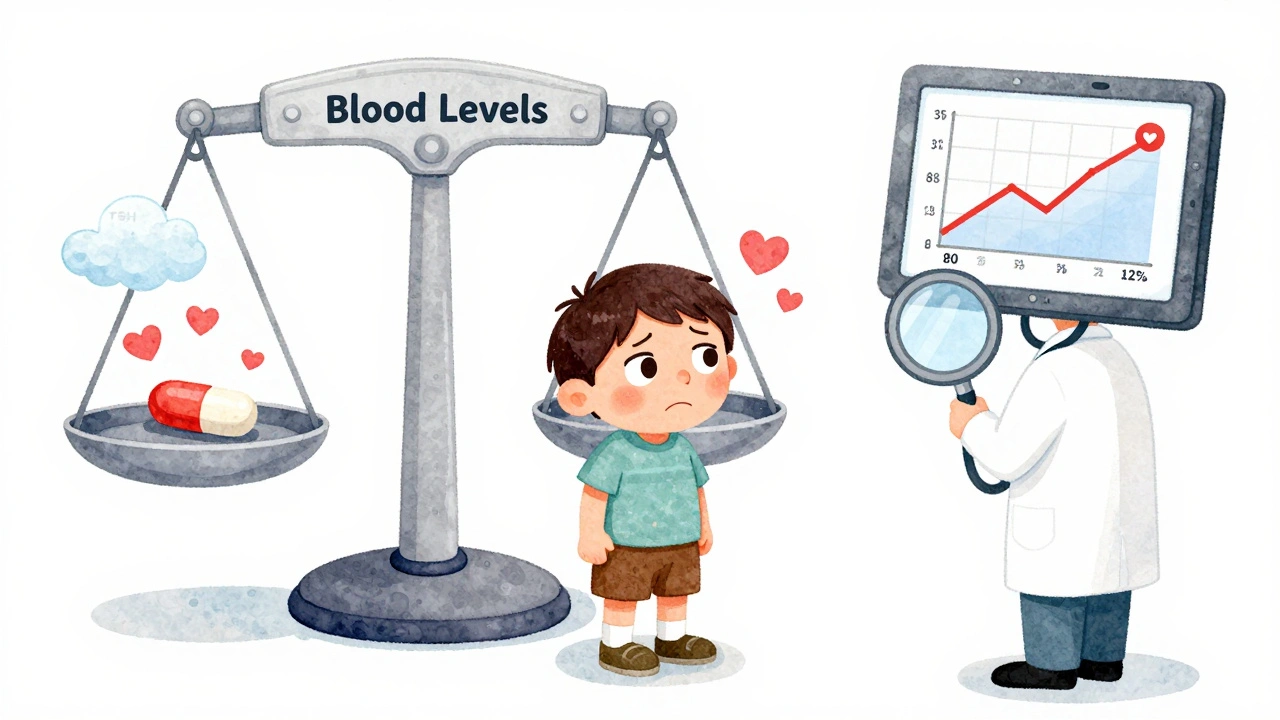
The FDA requires generics to deliver between 80% and 125% of the active ingredient compared to the brand-name drug. Sounds strict? It is-until you realize that two different generics could be at opposite ends of that range. One might release 80% of the drug, another 125%. That’s a 45% difference in how much medicine actually gets into your bloodstream. For most drugs, like statins or blood pressure meds, your body can handle that variation. But for drugs where tiny changes matter-like warfarin, levothyroxine, or tacrolimus-this gap can cause real problems.When Switching Generics Can Be Dangerous
Drugs with a narrow therapeutic index (NTI) are the biggest concern. These are medications where the difference between an effective dose and a toxic one is very small. Even a slight drop or spike in blood levels can lead to serious side effects.- Levothyroxine: Used for hypothyroidism, even small changes in absorption can throw off your TSH levels. Patients often report feeling exhausted, gaining weight, or having heart palpitations after a manufacturer switch. One patient on Drugs.com wrote: “Every time my levothyroxine changes, I feel awful for weeks until my doctor adjusts my dose.”
- Warfarin: This blood thinner requires regular INR tests to make sure you’re not at risk of clotting or bleeding. Some studies show INR levels fluctuate after switching generics, while others don’t. But the FDA still recommends staying on the same manufacturer whenever possible.
- Antiepileptics: Patients switching between generic versions of drugs like phenytoin or carbamazepine report breakthrough seizures. One Reddit user shared: “My seizure medication switched from Mylan to Teva. Two weeks later, I had two seizures. My neurologist confirmed my blood levels dropped.”
Why You Might Not Notice a Difference
For many drugs, switching generics makes no noticeable difference. Statins, antibiotics, and most blood pressure medications are forgiving. A GoodRx user wrote: “I’ve been on generic lisinopril for five years with five different manufacturers. My blood pressure never budged.” That’s because these drugs have a wide therapeutic window-your body can absorb more or less without harm. About 68% of patients on PharmacyChecker.com report no issues with switching. But that still leaves 32% who do.How to Protect Yourself
If you’re on a high-risk medication, here’s what you can do:- Ask your pharmacist: Before picking up your refill, ask if the manufacturer changed. They’re required to tell you if you ask.
- Check your pill’s appearance: Note the shape, color, and imprint code. If it looks different, don’t assume it’s the same drug. Use apps like Drugs.com or Medscape to identify pills.
- Request a specific manufacturer: If you’ve had problems before, ask your doctor to write “Dispense as Written” or “Do Not Substitute” on your prescription. Some insurance plans allow this for NTI drugs.
- Get blood tests after a switch: If you take warfarin, levothyroxine, or tacrolimus, schedule a lab test within 2-4 weeks after any manufacturer change. Don’t wait for symptoms.
- Keep a medication log: Write down the name, dose, and manufacturer each time you refill. This helps you spot patterns and gives your doctor useful data.
What Doctors and Pharmacies Are Doing
Many hospitals and clinics now have “lock-in” programs for NTI drugs. That means once you’re started on a specific generic, you stay on it unless there’s a shortage or major issue. Some pharmacies are also labeling prescriptions with the manufacturer name to help track changes. But here’s the problem: 62% of doctors say they don’t know when their patients’ generics switch-until the patient shows up with side effects.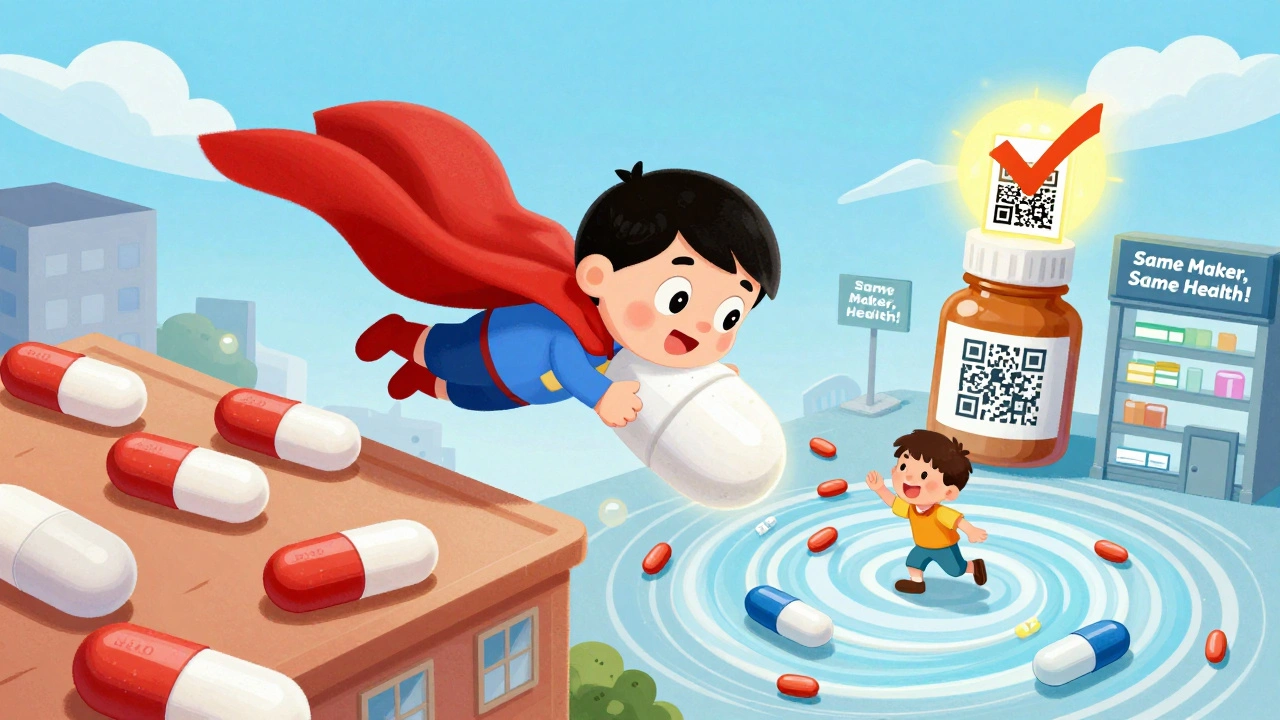
Why This Isn’t Just About Cost
Generics save the U.S. healthcare system $8-$10 billion every year. That’s huge. But pushing patients through endless switches to save a few dollars isn’t smart medicine. The American College of Clinical Pharmacy says frequent switching may compromise outcomes for certain drugs. The FDA’s 2024-2027 plan includes improving how they assess multiple generic switches. And in June 2024, Medsafe (New Zealand’s drug regulator) officially recommended avoiding switches for levothyroxine whenever possible.What’s Coming Next
The Generic Pharmaceutical Association is working on standardized pill designs to reduce patient confusion. The FDA is also piloting a program that requires manufacturers to report major formulation changes. In the future, you might see a barcode or QR code on generic packaging that links to the manufacturer’s bioequivalence data. But until then, the burden falls on you.Final Thoughts
Generic drugs are safe, effective, and essential to keeping healthcare affordable. But not all generics are created equal. If you’re on a high-risk medication, don’t treat generic switches as a non-issue. Pay attention to your body. Track your pills. Ask questions. Your health isn’t a commodity to be swapped for the lowest bid.Can I ask my pharmacy to always give me the same generic manufacturer?
Yes. You can ask your pharmacist to dispense the same manufacturer each time. If they say they can’t, ask your doctor to write “Dispense as Written” or “Do Not Substitute” on your prescription. Some insurance plans allow this for high-risk medications like levothyroxine or warfarin.
Are generic drugs less effective than brand-name drugs?
No. All FDA-approved generics must meet the same standards for safety, strength, and quality as the brand-name version. But effectiveness can vary between different generic manufacturers, especially for drugs with a narrow therapeutic index. The issue isn’t that generics are inferior-it’s that switching between them can cause instability in your body’s response.
Which medications are most affected by switching generics?
Medications with a narrow therapeutic index are most sensitive to changes. These include levothyroxine (for thyroid), warfarin (blood thinner), tacrolimus (transplant rejection), phenytoin and carbamazepine (anti-seizure), and lithium (for bipolar disorder). For these drugs, even small changes in blood levels can cause serious side effects.
How do I know if my generic medication changed?
Check the pill’s shape, color, and imprint code. If it looks different from your last refill, it’s likely a different manufacturer. You can use free apps like Drugs.com or Medscape to scan or search the imprint and find out the maker. Always ask your pharmacist if they switched manufacturers when you pick up your prescription.
Should I avoid generic drugs altogether?
No. Generics are safe and save billions in healthcare costs. For most people, switching between generics causes no issues. But if you’re on a high-risk medication, be proactive. Know your drug’s risks, track your pills, and communicate with your care team. Don’t assume all generics are the same-especially for drugs where precision matters.
I’ve been on levothyroxine for 12 years and switched manufacturers six times. First time it happened, I thought I was going crazy-fatigue, brain fog, weight gain. Turned out my TSH spiked. Now I check the pill imprint every time. Apps like Drugs.com saved my life. Don’t just trust the bottle name.
Oh, the FDA’s ‘bioequivalence’ loophole is such a *masterstroke* of regulatory arbitrage. 80–125%? That’s not a range-it’s a fucking carnival ride. We’re essentially playing Russian roulette with our endocrine systems, all to save 37 cents per pill. The real scandal? No one’s auditing inter-manufacturer variability over time. It’s not just generics-it’s systemic pharmaceutical nihilism. 🤡
They don’t want you to know this, but every generic switch is a controlled experiment on you. Big Pharma and insurers are using your body as a test subject to find the cheapest possible version that doesn’t kill you immediately. Meanwhile, the FDA’s ‘approved’ stamp means nothing when your thyroid starts acting up. They don’t test for cumulative effects of switching. They don’t care. You’re a data point.
Important point: if you’re on warfarin, levothyroxine, or tacrolimus, you absolutely must track your manufacturer. I’m a pharmacist, and I’ve seen patients end up in the ER because they didn’t realize their pill changed. Always ask. Always check. Always log. And if your pharmacist says ‘it’s the same drug,’ ask them to show you the label with the manufacturer code. It’s not a hassle-it’s your life.
Y’all, I used to think this was just a ‘meh’ thing until my mom had a seizure after switching her carbamazepine. She was fine for years-then BAM. Two seizures in two weeks. We found out it was a new generic. Now she’s locked into one brand, and we’re all breathing again. Don’t wait for a crisis. Be proactive. You got this 💪
For most people, generics are fine. But for those on NTI drugs, the system is broken. The real issue isn’t the FDA-it’s the pharmacy benefit managers who prioritize cost over clinical stability. Doctors don’t get notified when switches happen. Patients are left in the dark. We need better tracking. Mandatory manufacturer labeling on scripts. Real-time alerts. This isn’t about being paranoid. It’s about basic patient safety.
Let’s be real-this isn’t about safety. It’s about control. The pharmaceutical-industrial complex wants you dependent on their system. Every time you get a different pill, you’re being conditioned to trust them without question. But what if the ‘bioequivalence’ data is manipulated? What if the labs that test these generics are owned by the same conglomerates? Who’s auditing the auditors? I’ve seen patterns. The switches always happen right after insurance contracts are renewed. Coincidence? I think not.
What’s wild is how little most people know about this. I asked my doc about switching generics, and she looked at me like I’d asked if the moon was made of cheese. But then I showed her my log-TSH levels jumped every time the pill changed color. Now she’s writing ‘Do Not Substitute’ on my scripts. Knowledge is power. Start tracking. Even if you think you’re fine-you might not be.
I switched from Teva to Mylan for my levothyroxine last month. I felt fine. My blood test showed no change. But I still wrote down the manufacturer. I don’t assume anything anymore. It’s a small habit. But for high-risk meds, small habits save lives.
My dad’s on warfarin. He switched generics last year and didn’t say anything until he almost bled out. Now he takes a photo of every pill. I told him to just ask the pharmacist. He said they act like you’re being annoying. But he’s alive because he didn’t shut up.
So let me get this straight-you’re telling me I can’t trust my meds because some guy in Ohio made a pill that’s ‘technically’ the same but somehow makes me feel like I’ve been hit by a bus? Wow. I guess we’re all just lab rats now. Pass the salt.
To everyone saying ‘just ask your pharmacist’-have you tried that? I asked three times. First time they looked at me like I was crazy. Second time they rolled their eyes. Third time they said, ‘Ma’am, we’re not allowed to tell you unless you ask for the manufacturer by name.’ So I had to memorize every brand name of my seizure meds. I’m not a pharmacist. I’m a person trying to stay alive.
There’s a deeper philosophical layer here: if a drug is bioequivalent but not biologically identical, is it still the same thing? We treat medicine like a commodity, but the body doesn’t care about FDA guidelines-it cares about consistency. Our systems are built on rhythm, on routine. When you disrupt that with corporate cost-cutting, you’re not just changing a pill-you’re breaking a biological contract. And no algorithm can measure the weight of that betrayal.
Just got my levothyroxine refill-different color. Checked the imprint. It was Mylan. I called my doctor. She’s submitting a prior auth for the one I’ve been on. Took 10 minutes. Worth it. You don’t have to accept this. Speak up. It’s your body.