

Walking into a pharmacy can sometimes feel like navigating a minefield of similar-looking boxes and bottles. You ask for your prescription, get handed a package that looks slightly off, and wonder if you received the right medication. This confusion often centers on authorized generics. Unlike standard copies of drugs, these sit in a unique gray area between brand-name products and traditional generic versions. If you are a pharmacist, patient, or healthcare administrator, knowing how to spot them on the shelf matters.
The core issue isn't safety-these medications contain the exact same active ingredients as the brand name. The problem lies in the paperwork and packaging. Without understanding the subtle visual clues, even professionals misidentify these products at high rates. We're here to break down exactly what to look for on the box, the label, and the numbers to verify exactly what you are dispensing or taking.
Defining the Unique Category
Before we look at the bottle labels, we need to understand what makes these drugs different. Most people know two types of pills: the original brand version made by a big company, and the traditional generic made by a different lab that proves its bioequivalence. An authorized generic is the third option. It is the exact same drug, manufactured in the same facility, using the same processes as the brand-name product.
Authorized Generic is a listed drug approved under section 505(c) of the Federal Food, Drug, and Cosmetic Act that is marketed under a different trade name or labeler code than the reference listed drug. Unlike a traditional generic, which requires a separate approval pathway called an Abbreviated New Drug Application, this product carries the original New Drug Application approval.
This distinction allows the original brand manufacturer to sell their own product under a generic label. Why would they do that? It helps them maintain market share during patent challenges while offering a lower price point. For instance, back in 2004, AstraZeneca was one of the first companies to release an authorized generic version of Prilosec after the patent expired. Today, the Food and Drug Administration tracks approximately 147 active products in this category. That might sound small, but it represents a significant portion of the volume in therapeutic classes where patents are expiring.
Critical Packaging Markers
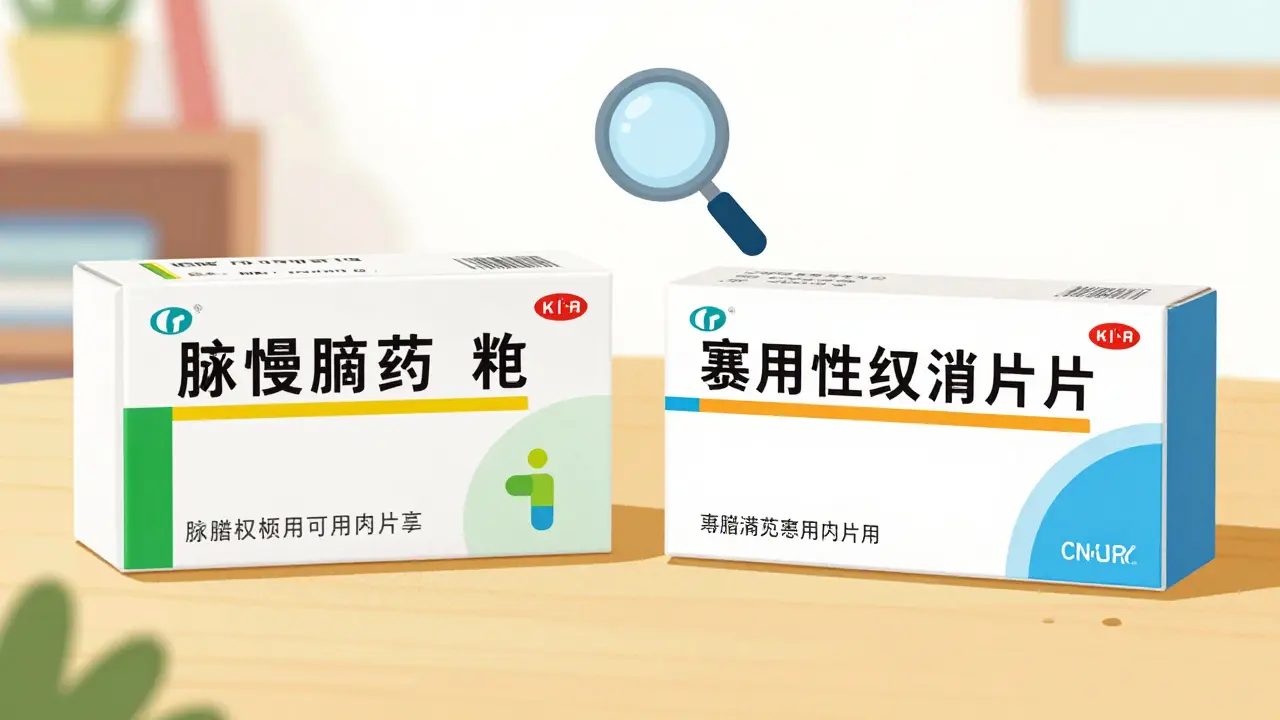
The most reliable way to tell an authorized generic apart from a traditional generic or brand drug is the physical packaging. You won't find the famous brand logo sitting front and center. Instead, the box usually features a private label format. Imagine walking up to a shelf and seeing a container for Lyrica (pregabalin). The brand box screams "Pfizer." The authorized generic box for the same pill might say "Greenstone LLC." The capsule inside is identical, but the outer shell tells a different story.
When you inspect the carton, look closely at the manufacturer statement. Brand drugs usually state "Manufactured by [Brand Company]." Authorized generics typically flip this script. They often read "Distributed by [Generic Company Name]." Sometimes the text is tiny, hidden on the back panel under the regulatory information. Don't miss the address either. While the manufacturing facility remains the same, the place of business listed for distribution changes to the subsidiary or partner handling the generic sale.
Another major clue is the absence of trademark symbols. The brand name will almost always have an ® symbol next to it because it is a protected intellectual property. On an authorized generic label, that symbol disappears. Marketing language also vanishes. You won't see promotional claims about lifestyle benefits or disease prevention. The label focuses strictly on clinical safety information required by federal regulations.
Decoding the Numbers
If the box gives you second thoughts, the National Drug Code is your ultimate truth-teller. Every legal drug sold in the United States has this three-segment number printed on the label. It acts like a fingerprint for the product. The first segment identifies the labeler (who put it on the shelf). The second segment identifies the product itself. The third segment specifies the package size.
| Segment | Brand Name Drug | Traditional Generic | Authorized Generic |
|---|---|---|---|
| Labeler Code | Original Manufacturer | Generic Manufacturer | Distributor/Specialist |
| Product Code | Unique to Compound | Unique to Compound | Same as Brand |
| Package Size | Bottle/Box Size | Bottle/Box Size | Same as Brand |
Notice the pattern. For a traditional generic, all three numbers change because a completely different company made the pill in a different factory. With an authorized generic, the middle and bottom segments stay exactly the same as the brand name. Only the top number changes. For example, the Protonix (pantoprazole) authorized version distributed by Dr. Reddy's Laboratories kept the same product and package codes as the brand version but featured a different labeler code. Seeing those matching digits immediately signals that the formulation hasn't changed.
To verify this, cross-reference the number against the FDA Quarterly List.
Sometimes pills themselves differ slightly in color or markings compared to the brand version. U.S. trademark laws generally don't allow generics to mimic the brand's look exactly to avoid consumer confusion. However, authorized generics try harder to keep the look consistent. They might omit the brand engraving on the tablet but retain the shape. Always remember that while the pill might look slightly different, the chemistry inside is guaranteed to be identical to the reference listed drug.
Regulatory Context and History
Understanding why these products exist helps you spot them more easily. These drugs emerged following the Medicare Prescription Drug, Improvement, and Modernization Act of 2003. Before this law, there wasn't a clear mechanism for manufacturers to market their own product as a generic without going through a lengthy re-approval process. Now, they simply market the approved New Drug Application under a different label.
This creates a specific relationship between the Original Manufacturer and the Distributor. Often, the distributor is a subsidiary of the parent company. Other times, it is an independent contract packager. In some cases, the brand company sells the rights to another generic firm entirely. The label will reflect this partnership. Look for phrases like "Marketed by" or "Distributed for." If you see a name that sounds unfamiliar but the drug name sounds familiar, you are likely holding an authorized generic.
It is worth noting that these products do not appear as separate entries in the FDA Orange Book. The Orange Book lists approved drug products and their therapeutic equivalence ratings. Since authorized generics operate under the original application, they share the same listing as the brand name. This can confuse pharmacy verification systems if the software doesn't recognize the specific NDC variation. Many modern pharmacy management platforms have updated their databases to flag these variations automatically, but manual checks remain essential.
Verification Resources
You shouldn't have to guess if a bottle contains the right medicine. Several public tools exist to confirm status. The Food and Drug Administration updates their list of authorized generics quarterly. The list goes live on the first business day of January, April, July, and October. By checking this resource, you can confirm if an NDC belongs to an authorized generic program. Recent industry data suggests these products represent roughly 3% of the total generic market volume, meaning you will encounter them frequently enough to justify keeping the site bookmarked.
Pharmacy verification systems like First Databank and Medi-Span have integrated specific identifiers into their software. If your system flags a drug as an authorized generic, trust it. However, human oversight is still necessary. A survey by the National Community Pharmacists Association found that independent pharmacies spend significantly more time verifying authorized generic status compared to traditional generics. Specifically, they reported needing nearly three minutes per prescription to double-check these items versus just over a minute for standard generics.
Why the delay? Because the packaging similarity can trick you. In a community discussion among pharmacists, nearly 90% admitted to initially confusing authorized generics with brand products due to identical pill appearance. The packaging often mimics the clean, sterile look of the brand version much more closely than traditional generics do. Traditional generics usually have plain white boxes with minimal graphics. Authorized generics borrow the aesthetic polish of the brand, making the distinction rely heavily on fine print and barcodes rather than general box design.
Addressing Consumer Concerns
Patient reactions to these products vary widely. Some appreciate the savings, as authorized generics typically cost 15-25% less than the brand version. Others worry about the switch in manufacturer information. It feels unsettling to see a different name on the box than the one they trust. The reality is that the chemical composition does not change. The FDA inspects the facilities regularly. The quality standards applied to the brand name production line apply equally to the authorized generic batches produced alongside them.
Misinterpretation of the labeler code often leads to false alarms. Patients might see a different address or company name and suspect counterfeiting. It is a valid fear in general, but for authorized generics, it is a standard compliance requirement. When explaining this to patients, emphasize that the "place of business" refers to the logistics hub managing the distribution, not necessarily the plant where the powder was mixed.
Practical Steps for Identification
Here is a quick checklist to run through when you are unsure about a medication:
- Inspect the Box Header: Look for the absence of the brand name trademark. Does it say "Generic Name" instead?
- Read the Distributor Line: Does it list a "Distributed by" name rather than a "Manufactured by" name?
- Check the NDC: Compare the three segments against the brand version if possible. Matched product and size codes indicate an authorized relationship.
- Look for Visual Cues: Some manufacturers include a small "AG" or footer text indicating "Authorized Generic," though this is voluntary and not required by law.
- Consult the Database: If in doubt, check the FDA's Quarterly Update list before dispensing.
Following these steps reduces errors significantly. Studies suggest that specific training improves accuracy to over 90% in identifying these products correctly. The learning curve exists because the lines are thin. But the goal is clear: ensuring safe dispensing and maintaining trust in the supply chain.
Is an authorized generic the same as a brand name drug?
Yes, therapeutically it is identical. It contains the exact same active and inactive ingredients, produced in the same facility by the same manufacturer. The only difference is the labeler and packaging.
How can I tell if a drug is an authorized generic?
Look for a different company name on the packaging, a missing brand trademark, and an NDC code where only the first segment differs from the brand version. Checking the FDA official list confirms the status.
Are authorized generics safer than traditional generics?
They are not necessarily "safer," but they bypass the bioequivalence testing required for traditional generics because they are made by the original innovator. Both types meet strict safety standards.
Do authorized generics appear on the Orange Book?
No. They are listed under the original New Drug Application and share the brand entry. They do not get a separate therapeutic equivalence rating in the database.
Why would a brand manufacturer sell an authorized generic?
It allows them to compete in the generic market segment, maintain revenue during patent expiration, and prevent other competitors from capturing the entire generic volume.
The technical distinction between ANDA submissions and NDAs is often misunderstood in clinical settings. Bioequivalence testing differs significantly when comparing traditional generics against authorized versions distributed under existing approvals. Practitioners must scrutinize the NDC labeler segment to confirm distribution pathways correctly. This ensures supply chain integrity without compromising patient safety protocols unnecessarily.
This is incredibly informative!!!! The packaging clues are so vital to know...!!! We often overlook the trademark symbols on boxes... It really helps clarify the confusion around brand versus generic labels!!!
It feels like another layer of corporate obfuscation designed to keep the average consumer in the dark. They claim it saves money while essentially selling the exact same chemical compound under a different sticker. Why complicate the simple act of buying medicine with these bureaucratic loopholes? The pharmaceutical industry thrives on creating these gray areas to maintain pricing power. We see the same drug being marketed as premium or budget depending on who holds the patent rights. It creates a false dichotomy between safety and cost that rarely reflects reality. Patients deserve clarity rather than this maze of distributor names and labeler codes. Transparency should be the norm instead of a competitive advantage for big pharma. We are left guessing which bottle contains the trusted formula we actually need. The system seems rigged to favor the entity holding the original approval paperwork. It is frustrating to navigate these shelves without feeling like you are missing hidden information. We ought to demand regulations that force true uniformity in packaging for identical contents. Hiding the manufacturer behind a shell company does nothing but confuse trust. Ultimately this benefits the wallet of the distributor more than the health of the person taking the pill.
I get what you mean about the confusion 😊 It's tough to sort out all the boxes! 👀 The NDC numbers really do help though 💡 Thanks for the tips on checking the FDA list 📋😊
Just check the first segment of the NDC code.
That is such a great tip for anyone trying to verify their medication! It really empowers patients to double-check their prescriptions confidently. Knowledge is definitely power when navigating pharmacy aisles today. Keep up the excellent work on breaking down these complex topics!
Good points teh distributer name changes alot. Phramacy staff shuld be trained on this stuff. It helps avoid errors in dispensing mdecine. Teh orange book reference is useful to. We need more clarity in teh system. Great post tho!
agree the visual cues matter a lot sometimes the print is tiny hard to read without glasses good summary overall
I notice the font size issue often too. Sometimes the labeler info is way too small to read clearly on older boxes. It makes manual verification harder than it should be ideally. Hope regulations tighten those requirements soon enough.
They do this on purpose to trick us into thinking we got the wrong drug when we didn't. It's another way to squeeze money out of vulnerable people who just want to stay healthy. Why should we stress over reading tiny legal text just to get our pills?
This is absolutely critical information for patient safety!!! The potential for error due to labeling is huge...!!! We cannot ignore these subtleties in pharmacy practice anymore... It demands immediate attention from administrators and staff alike!!!
It is truly fascinating how regulatory frameworks evolve to protect consumers while maintaining market competition. We often overlook the subtle distinctions between traditional generics and authorized versions. The manufacturing facilities remain exactly the same as the original brand product. This means the quality control standards do not drop simply because the box looks different. Patients feel much more secure when they understand the chemistry behind the pill. Trust is built through transparency regarding these label changes. Pharmacists play a crucial role in explaining these nuances to worried family members. Education reduces unnecessary anxiety during medication switching processes. Many people assume a new name implies a different active ingredient immediately. That assumption is incorrect when dealing with authorized generic approvals. The FDA maintains strict oversight on every batch produced regardless of branding. We should appreciate the innovation that keeps prices accessible for everyone. Safety remains the absolute priority in any healthcare discussion involving drugs. Thank you for sharing such a thorough breakdown of the verification steps. Let us all continue to advocate for clear labeling practices moving forward.🙂
In many international markets like India the concept of authorized generics works differently. Local regulators have their own interpretations of what constitutes the same therapeutic equivalent. Understanding global perspectives helps US pharmacists grasp the full scope of the issue. It is interesting to see how the FDA approach compares to other major jurisdictions worldwide.
Most people simply lack the vocabulary to discuss these regulatory nuances intelligently. Real understanding comes from grasping the statutory differences in approval pathways. It takes effort to separate marketing noise from actual compliance requirements. Those who bother to learn the details are naturally superior in decision making. Ignoring these distinctions leads to mediocre outcomes for everyone involved.